The ICU Has Every Number. What It Often Lacks Is One View of the Patient
Picture a car dashboard where the speed, fuel level, engine temperature and tyre pressure each appear on a separate screen, made by a different company and mounted in a different corner. Every screen is accurate. Driving safely would still be harder than it needs to be. An intensive care unit can look a lot like that. The ICU is where hospitals care for critically ill patients who need close observation and complex equipment. A single ICU patient may be connected to a bedside monitor showing...
Sabapathy J
3 min read
Patient Monitoring Technology
Picture a car dashboard where the speed, fuel level, engine temperature and tyre pressure each appear on a separate screen, made by a different company and mounted in a different corner. Every screen is accurate. Driving safely would still be harder than it needs to be.
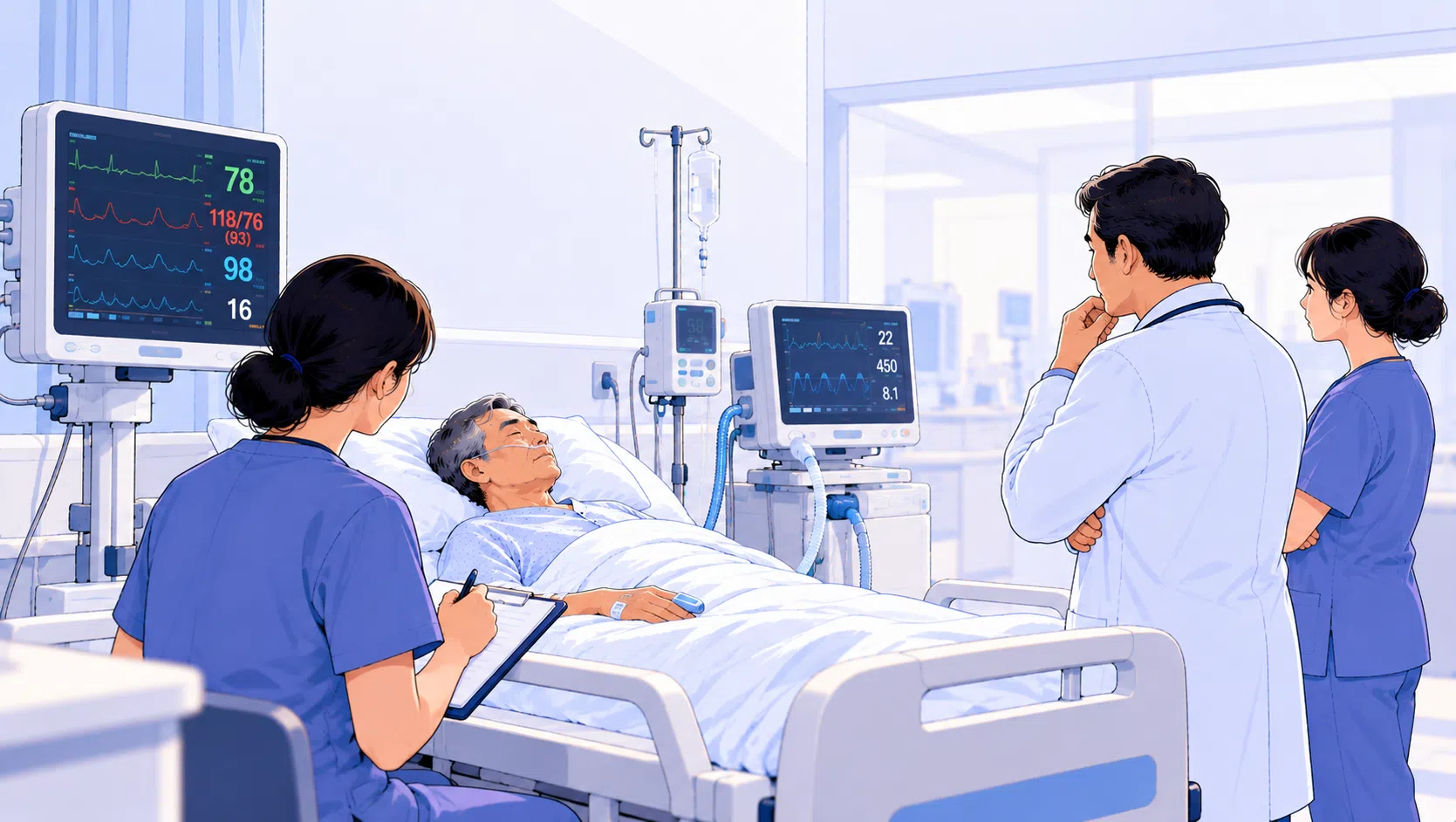
An intensive care unit can look a lot like that. The ICU is where hospitals care for critically ill patients who need close observation and complex equipment. A single ICU patient may be connected to a bedside monitor showing heart rhythm and blood pressure, a ventilator helping them breathe, several pumps delivering medicines and fluids, and a device measuring urine output. Laboratory results sit in another system. Notes and medication records sit in the hospital's electronic record.
Each source is accurate on its own terms. The problem is that the patient is one person, and the information about them is spread across many places.
What the ICU team does today
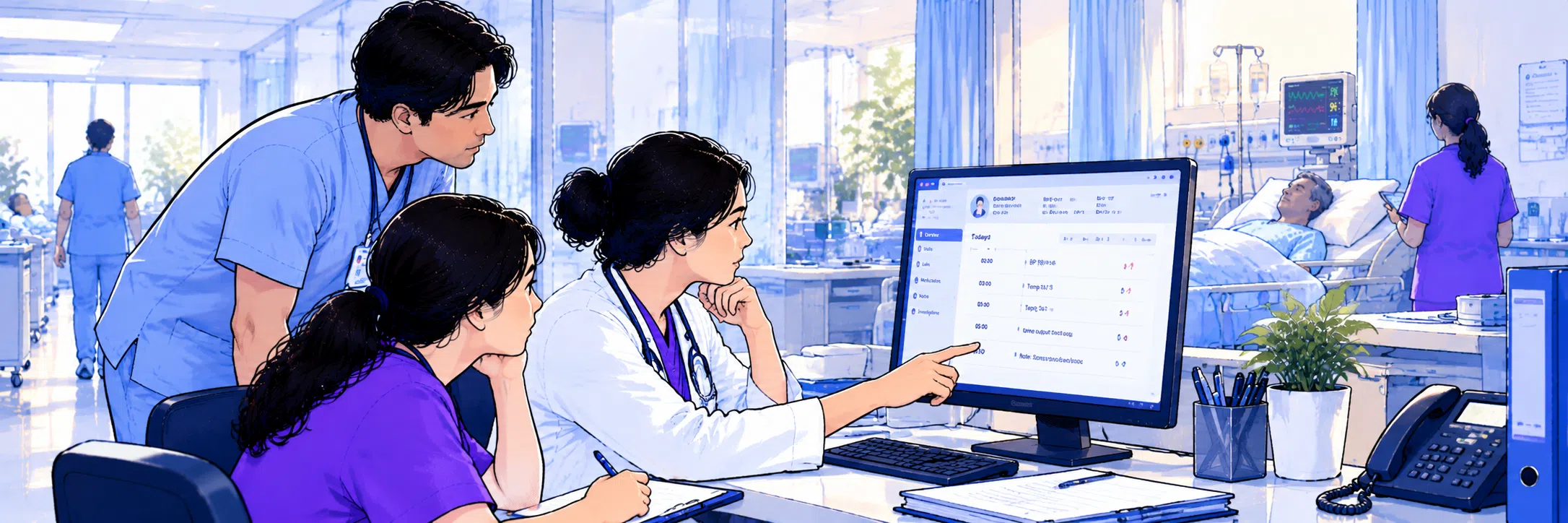
Experienced ICU nurses and doctors are very good at combining this information in their heads. They look from the monitor to the ventilator to the pump to the lab report and build a picture of how the patient is doing.
That work takes time and attention, and it is repeated at every bedside, every shift. At handover, the incoming team rebuilds the same picture. When a patient arrives from the emergency room or a ward, their earlier trends often arrive as a spoken summary and a few pages of notes.
The ICU is full of data. What is often missing is one view that puts it together.
What changes with one view of the patient
A connected ICU brings compatible data from these separate sources into one place. Monitor readings, ventilator data, pump information, lab results and fluid input and output can be read on the same timeline.
That changes what the team can see. A drop in blood pressure can be read alongside the medication change that came before it. A rising breathing rate can be viewed next to the ventilator settings and the latest blood gas. Instead of assembling the picture, the team can spend its attention on interpreting it.
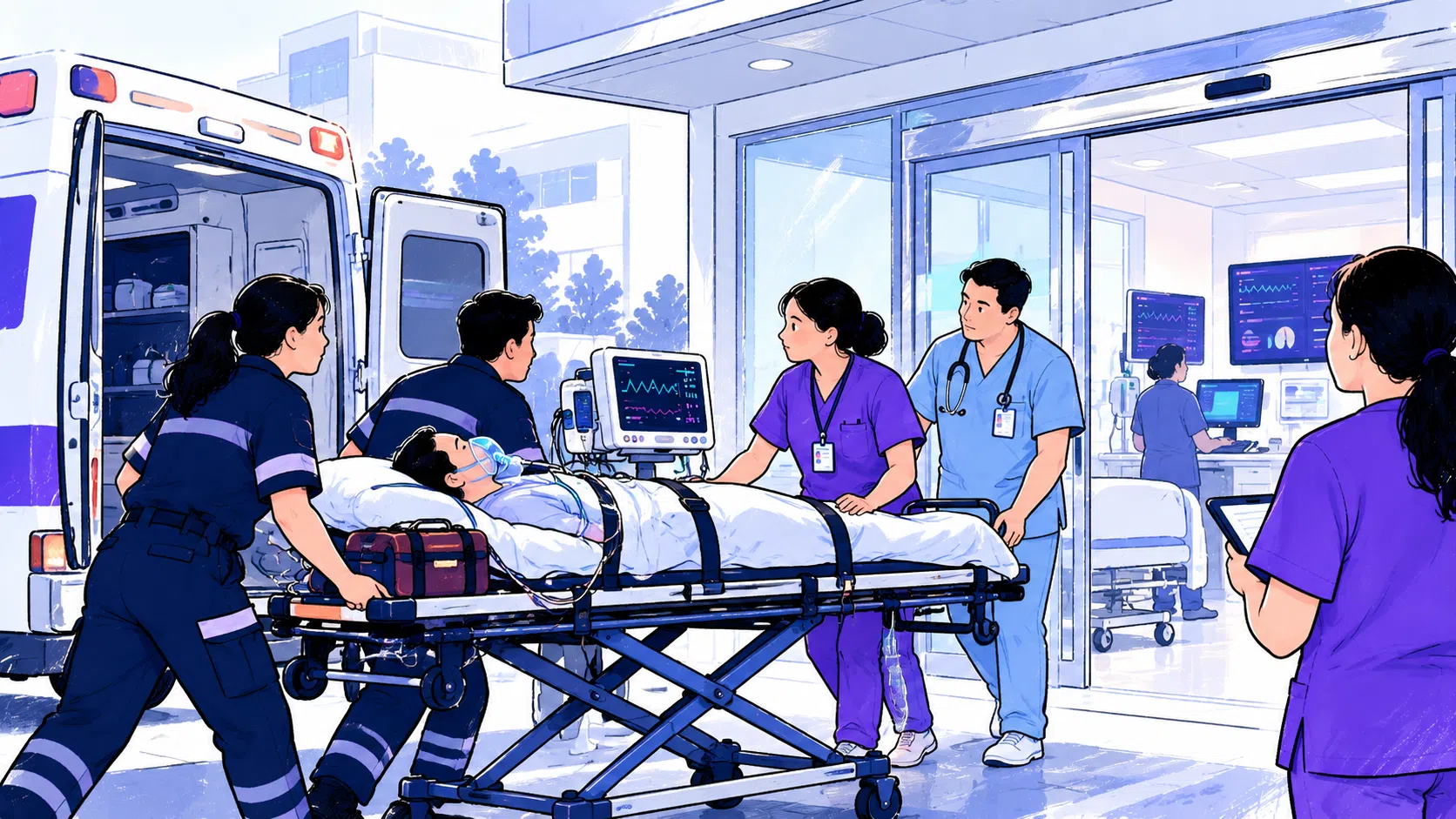
It also changes what happens when a patient arrives. If earlier trends and risk information from the emergency room or ward are already part of the record, the ICU does not start from a blank page.
Adding intelligence on top
Once the information sits together, more becomes possible. Predictive analysis can estimate how each patient's risk is changing and help the team see which beds need attention first. Rules set by the hospital can watch for specific conditions, such as sustained low oxygen or a blood pressure limit chosen for one patient. Reports and shift summaries can be built from data already captured instead of being written up by hand.
The clinicians at the bedside stay in charge. It gives them a clearer, faster starting point.
What a connected ICU is not
A connected ICU does not mean replacing existing monitors and ventilators. Most ICUs already have good bedside equipment. The aim is to connect what is already there, wherever the devices have interfaces that allow it.
How Lifesigns approaches the connected ICU
For Lifesigns, Connected ICU is a layer that sits over an existing ICU and links its machines into one view. Compatible monitors, ventilators, pumps, laboratory systems and urine-output measurement feed into Lifesigns Nexus, the software platform where care teams see their monitored patients. There, the ICU Flow Sheet shows live and historical information on a single timeline. The AI engine in Nexus adds an assessment of how each patient's risk is changing, with the reasons behind it. Where the infrastructure is in place, remote intensivists can review patients across beds or sites.
The idea is simple to describe: keep the patient's story together, so the team sees one person rather than a collection of screens.