A Patient's Condition Can Change While They Wait in the Emergency Room
Anyone who has sat in an emergency room knows the pattern. A nurse sees you soon after you arrive, asks a few questions, checks your pulse and blood pressure, and decides how urgent your case is. Then you wait. For a sprained ankle, waiting is just frustrating. For someone with a developing infection or a heart problem, the hours after that first check can matter a great deal. What happens when you first arrive? That first assessment is called triage. It is fast and structured, and it lets a...
Sabapathy J
3 min read
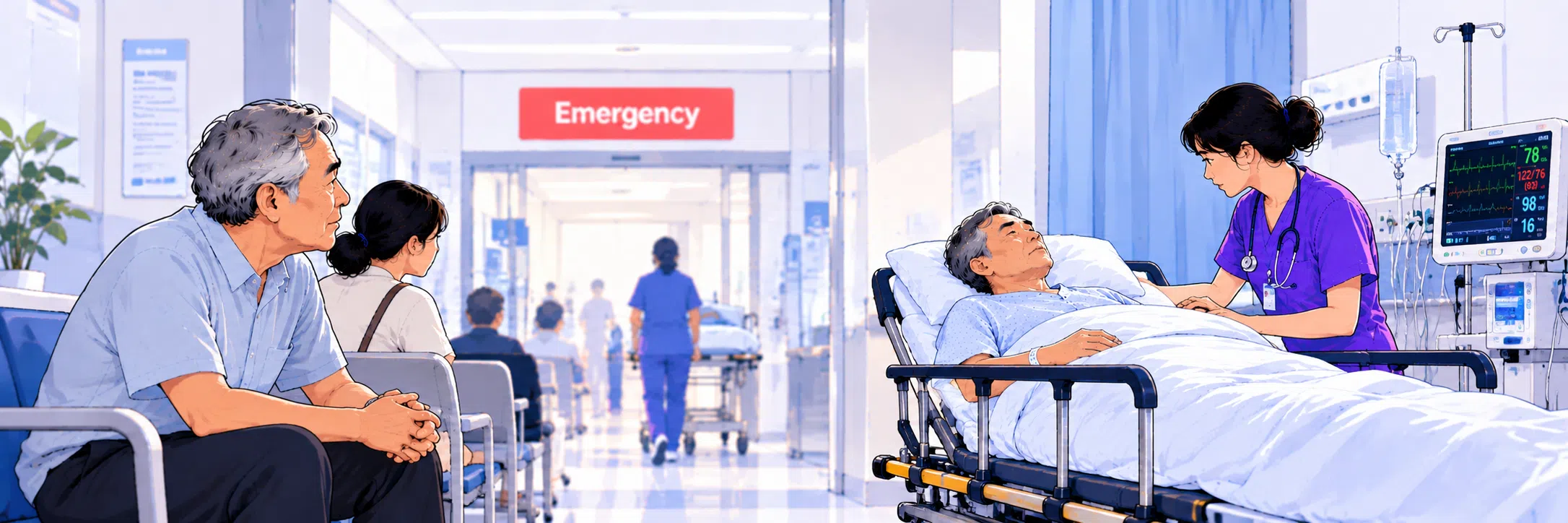
Anyone who has sat in an emergency room knows the pattern. A nurse sees you soon after you arrive, asks a few questions, checks your pulse and blood pressure, and decides how urgent your case is. Then you wait.
For a sprained ankle, waiting is just frustrating. For someone with a developing infection or a heart problem, the hours after that first check can matter a great deal.
What happens when you first arrive?
That first assessment is called triage. It is fast and structured, and it lets a crowded department decide who needs to be seen first. A patient with chest pain and low blood pressure goes ahead of someone with a cut hand.
Triage is essential, but it captures one moment. It cannot tell anyone how a patient will be doing an hour later.
What happens during the wait?
After triage, many patients wait: for a doctor, for test results, for a specialist's opinion or for a hospital bed. Some have already been admitted and are waiting for a ward or ICU bed to become free, which hospitals call boarding.
That wait carries risk of its own. A study of more than 41,000 admissions through one US emergency department found that 2.5 per cent of patients who waited under two hours for a bed died in hospital, compared with 4.5 per cent of those who waited twelve hours or more. Hospital stays were longer too. The study shows a link rather than proof that waiting caused the difference, but it points to the same concern.
Why doesn't the first check keep up?
Readings taken at the door go out of date quickly. A patient whose heart rate was 95 on arrival may be at 120 three hours later. Someone with a normal oxygen level at triage may start breathing faster as an infection takes hold.
In a busy department, repeat checks compete with new arrivals. A patient judged less urgent can slip down the list even as their condition gets worse. Staff usually know the risk. They have more patients than pairs of eyes.
What can hospitals do?
Continuous monitoring in the emergency room covers the wait. Heart rate, breathing, oxygen level and heart rhythm are tracked the whole time, and trends show whether each patient is settling or getting worse.
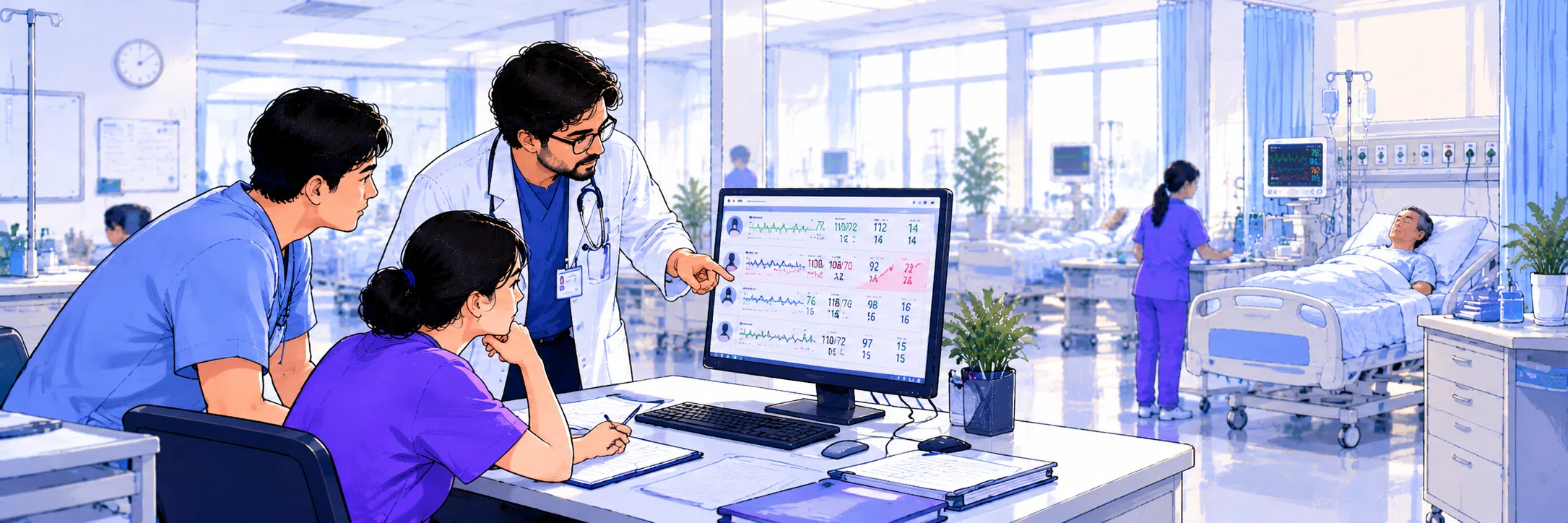
AI can then help the team decide who to see next. In Lifesigns Nexus, the software platform where care teams see their monitored patients, the built-in AI engine reads how each patient's vital signs are changing and places them in one of four risk categories, from Standard Care for patients who appear stable to Resuscitation for those who need urgent attention, with the reasons shown. Instead of relying on an urgency level set hours earlier, the team sees how each patient is doing now.
In one group of emergency room patients Lifesigns has studied, the categories lined up with how unwell people turned out to be: 62.5 per cent of patients in Enhanced Care were admitted to hospital, compared with 78.9 per cent of those in Stabilization. That is what happened with those patients, not a prediction for any individual, but it suggests the categories reflect real differences.
The AI does not decide where anyone goes. That decision stays with the emergency team, who now make it with a current picture rather than one from hours ago.
What happens when the patient is admitted?
If the patient moves to a ward or the ICU, the readings from their time in the emergency room do not have to be left behind. They can travel with the patient, so the next team can see how they got to where they are and does not have to start from scratch.