How a Central Monitoring Command Center Supports 24/7 Remote Patient Monitoring
What actually happens inside a monitoring command center once patient data starts flowing around the clock.
Vamsha, Prince
3 min read
Central Monitoring Services
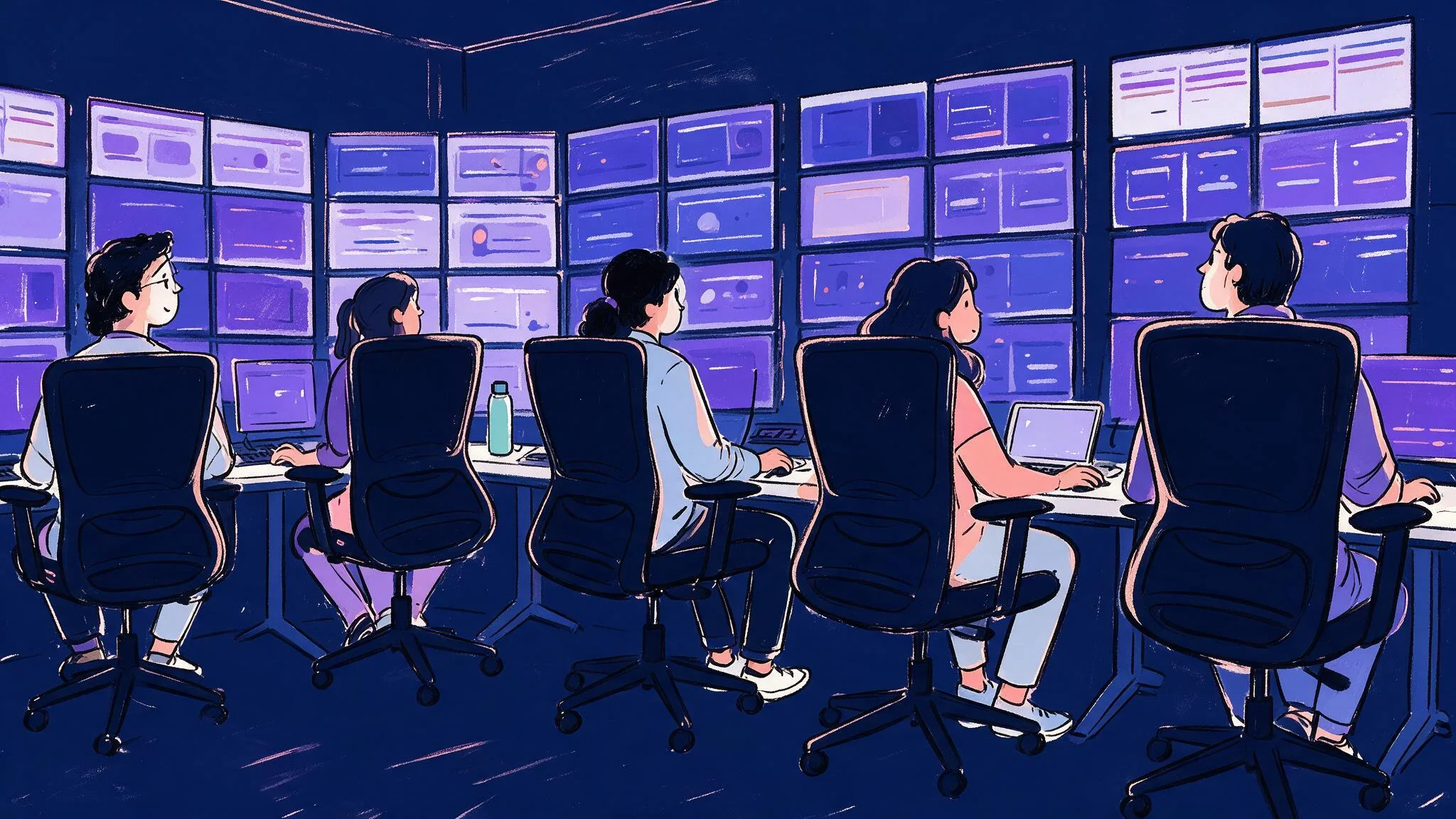
Remote patient monitoring can keep patient information flowing around the clock.
Maintaining continuous attention on that information is a different job altogether.
As Lifesigns helped extend remote patient monitoring to more patients and hospitals, that challenge became increasingly clear. Live patient information could be brought together on a shared digital dashboard. As the volume of information grew, so did the need for dedicated oversight.
And that led to the formation of the Lifesigns Central Monitoring Team (CMT) in 2022.
Why the Command Center Became Necessary
CMT started small, with a limited number of hospitals and patients, a modest monitoring setup and a mobile phone used to contact hospital teams when something required attention.
There were no mature Standard Operating Procedures or standardized escalation pathways in those early days. The immediate focus was keeping watch over connected patients and making sure clinically significant changes reached the appropriate hospital team.
As monitoring expanded, that process needed more structure.
Clinical escalation pathways were defined. Standard Operating Procedures were developed. Training, quality checks, staffing models, and monitoring workflows followed.
Centralized oversight has an established clinical precedent. In a JAMA study of Cleveland Clinic's off-site cardiac telemetry unit, the central team accurately detected and notified staff of 79% of rhythm or heart-rate changes that occurred within an hour before an emergency response was activated. The researchers described monitoring as a shared responsibility between the central unit and nursing teams.
That shared responsibility is important to how CMT works too.
From Patient Data to Clinical Attention
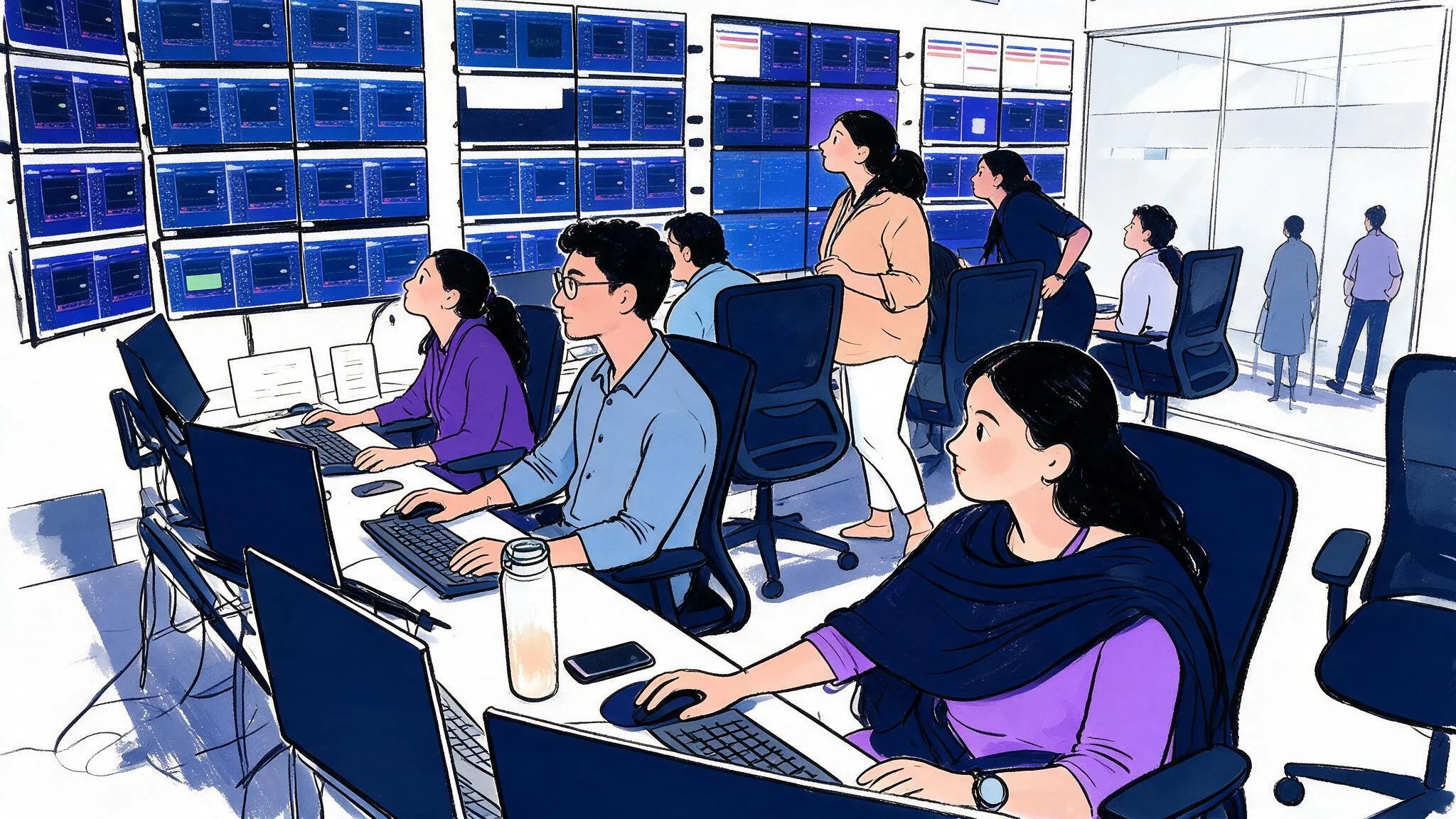
The Central Monitoring Team maintains remote surveillance across connected patients.
When a reading changes, the team looks at the wider picture. Is the change continuing? Has it developed over time? Are other vital signs changing alongside it? Could it be temporary or affected by artefacts?
If a change meets the criteria agreed with the hospital, CMT contacts the relevant clinical team.
The treating clinicians then assess the patient and decide what needs to happen next.
Central monitoring therefore supports the clinical team with dedicated attention to incoming patient information. It does not replace bedside assessment or clinical judgment.
The value of having that review layer becomes clearer as monitoring scales. Houston Methodist's 2026 implementation similarly used centralized review as part of its 24/7 continuous-monitoring workflow, with around half of device-generated alerts handled before frontline escalation. Read the implementation report.
Building a Service at Scale
What began with six team members and two monitoring screens has grown into more than 80 monitoring screens and 30+ clinically trained professionals, supporting round-the-clock monitoring across hospitals in India.
The bigger change, though, has been in how the operation works.
Years of monitoring have shaped clearer escalation pathways, documented processes, training frameworks, and quality checks around continuous remote surveillance.
Today, that experience forms Lifesigns Central Monitoring Services.
It is also being carried into hospital-owned command centers. Lifesigns currently supports hospitals in establishing their own central monitoring operations using the workflows, training and operating experience developed through CMT.
Remote monitoring made far more patient information available in real time.
The command center grew around what came next: making sure that information is continuously watched, reviewed and connected back to the clinical teams responsible for the patient.
What began as a small team solving that gap has grown into a round-the-clock clinical support function across hospitals in India. Behind the screens are trained professionals doing something deceptively important: maintaining attention when patient data never really stops.
As remote patient monitoring continues to expand, that combination of technology, trained oversight and clear clinical escalation can help make continuous monitoring more dependable, scalable and useful to the teams caring for patients.
Related reading: [Remote Patient Monitoring Can Run 24/7. Who Keeps Watch?]