When Every Machine Tells Its Own Story
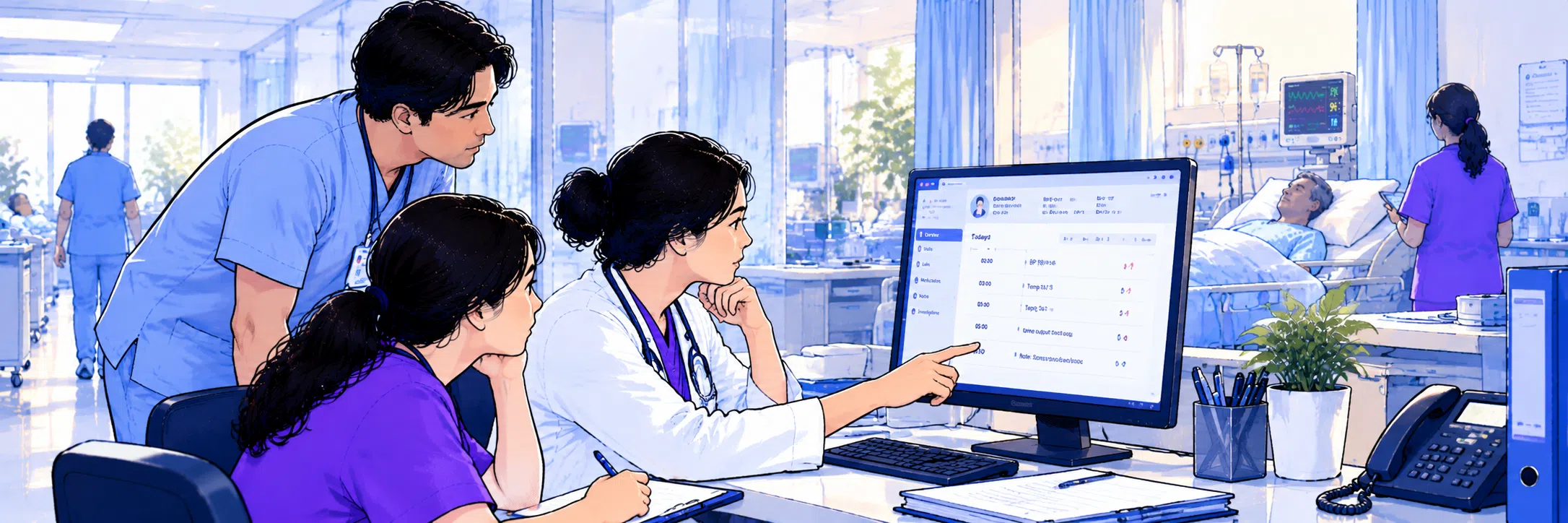
If you have ever tried to work out what happened on a busy day from three different group chats, you will know the problem. Each chat is accurate. None of them tells you the order things happened in, or what caused what. Intensive care units face a version of this with medical devices. A critically ill patient may be connected to a bedside monitor, a ventilator, several syringe and infusion pumps and a urine-output measurement device at the same time. Each machine keeps its own record, on its...
Sabapathy J
3 min read
Patient Monitoring Technology
If you have ever tried to work out what happened on a busy day from three different group chats, you will know the problem. Each chat is accurate. None of them tells you the order things happened in, or what caused what.
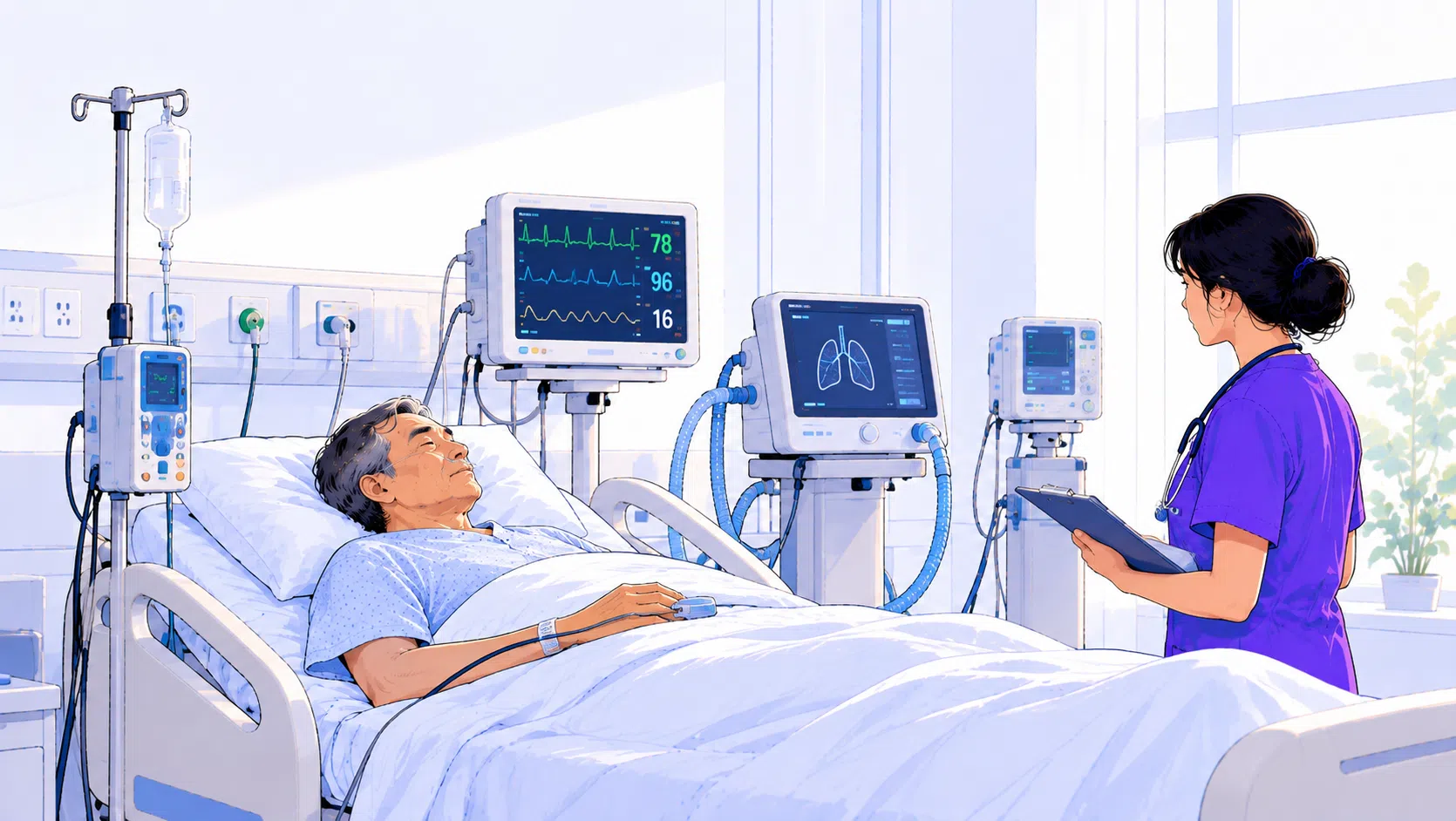
Intensive care units face a version of this with medical devices. A critically ill patient may be connected to a bedside monitor, a ventilator, several syringe and infusion pumps and a urine-output measurement device at the same time. Each machine keeps its own record, on its own screen, often in its own format. Medical device integration brings those records together so they can be read as one.
What gets lost when machines work separately
The individual readings are rarely the problem. What gets lost is the relationship between them.
Take a common situation. A nurse increases the rate of a medicine that supports blood pressure. Over the next half hour, the patient's blood pressure rises on the bedside monitor. The dose change lives in the pump's log. The response lives on the monitor. To see that one followed the other, someone has to check both and line up the times.
The same applies to breathing. A change in ventilator settings may be followed by a change in oxygen saturation. A slowly falling urine output may relate to fluid balance or blood pressure over the previous few hours. Each connection exists in the patient, but not in the data, unless someone rebuilds it.
In many ICUs that rebuilding is still done by hand. Values are copied from device screens onto charts at set intervals. It takes nursing time, and it captures only the moments that were written down.
What integration makes possible
When compatible devices feed into a shared system, their data can sit on one timeline. Several things get easier.
The practical reality
Integration depends on the devices. Manufacturers use different connections and data formats, and not every device can share its data. A realistic project starts with a list of the ICU's equipment and what each item can connect to. The goal is to connect what can be connected, reliably, rather than to promise every device on day one.
Structure matters too. Data that arrives in consistent formats, using recognised medical coding for things like test results and medicines, is far easier to use than a pile of raw numbers. Reliability matters as much as reach: a connection that drops out at night is worse than none, because the team assumes it can trust what it sees.
This is how Lifesigns approaches it. Lifesigns Connected ICU, which links the machines around each intensive care bed into one view, is built to work with equipment from different manufacturers wherever their connections allow. Compatible monitors, ventilators, syringe and infusion pumps, lab systems and Urometer IQ, a device that measures urine output, can all feed into Lifesigns Nexus, where the ICU team reviews them together. There, the ICU Flow Sheet shows live and past data on one timeline, and fluid charts bring everything going in and out of the patient together. With that fuller picture to draw on, the AI in Nexus can give a better-informed estimate of how each patient's risk is changing.
Every machine in the ICU will keep doing its own job. Integration means the team can finally read their stories together.