Hospitals Used to Buy Monitors. Now They're Choosing Platforms
A monitor can be replaced in an afternoon. The way a hospital sees its patients cannot. For decades, buying patient monitoring meant buying monitors. A hospital chose bedside devices for its ICU, perhaps some portable ones for wards, and a central station to view several at once. The key questions were about the device: how accurate it was, what it measured, how reliable it was and what it cost. Those questions still matter. But as monitoring spreads beyond the ICU to wards, ambulances and...
Sabapathy J
3 min read

A monitor can be replaced in an afternoon. The way a hospital sees its patients cannot.
For decades, buying patient monitoring meant buying monitors. A hospital chose bedside devices for its ICU, perhaps some portable ones for wards, and a central station to view several at once. The key questions were about the device: how accurate it was, what it measured, how reliable it was and what it cost.
Those questions still matter. But as monitoring spreads beyond the ICU to wards, ambulances and patients' homes, hospitals are finding that the most important decision is no longer the monitor. It is the platform the monitors connect to.
What changed
Three shifts have moved the focus.
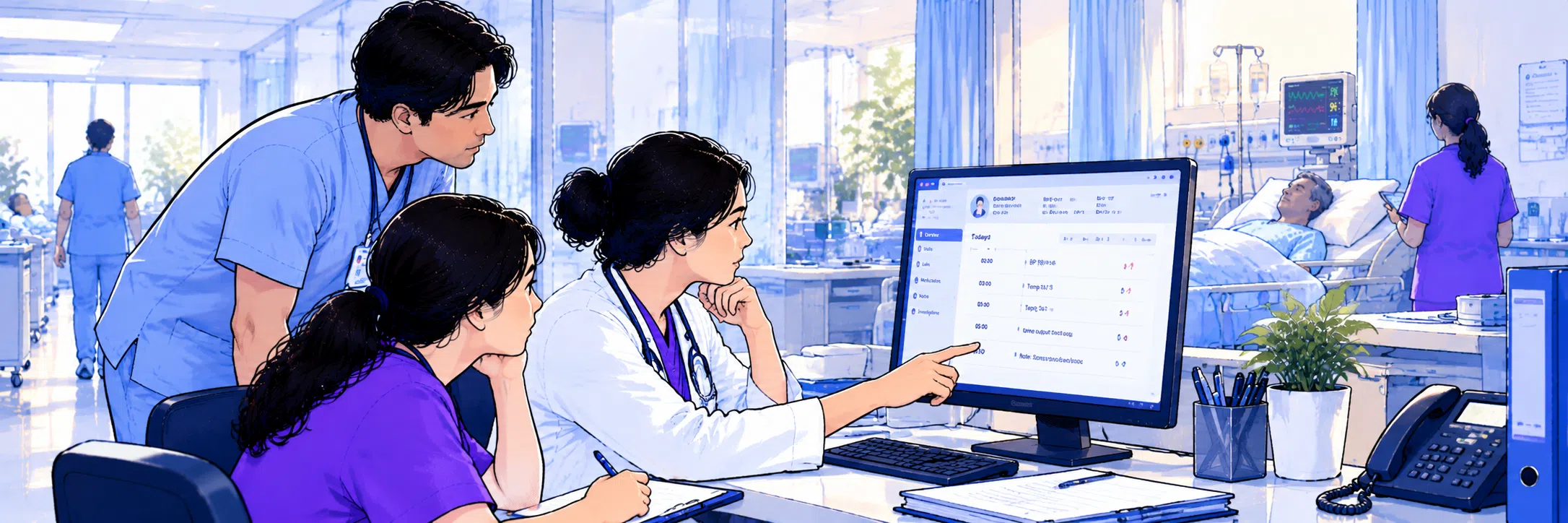
Monitoring has spread. It now reaches general wards, step-down units, emergency rooms, ambulances and homes. A hospital may use several types of device, from several manufacturers, across many settings.
Data has become more valuable than the display. Once vital signs are captured digitally, they can be trended, analysed, used for prediction and turned into reports. None of that happens on the monitor itself.
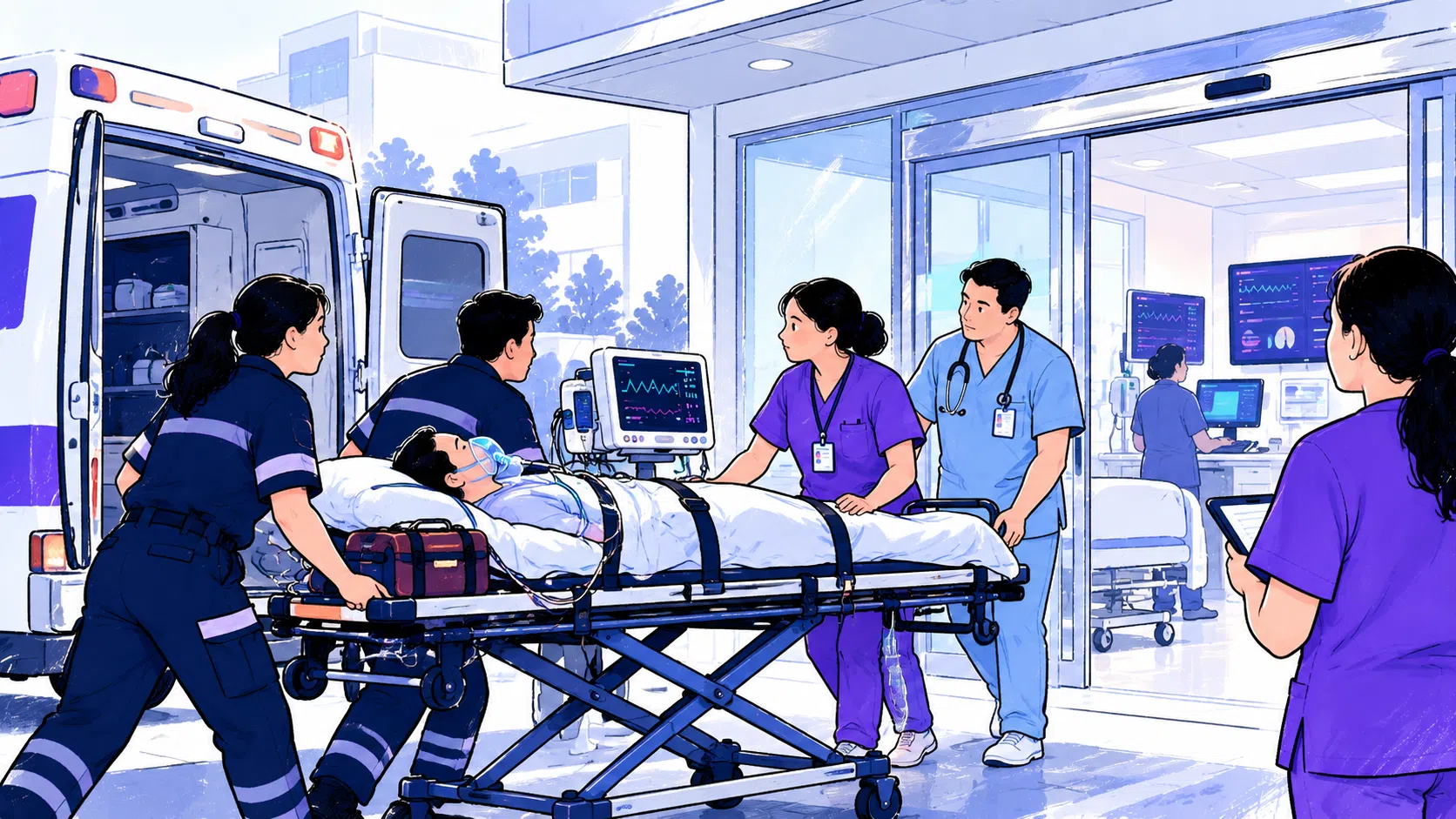
And patients move. One patient may be monitored in the ambulance, emergency room, ICU and ward within a few days. If each setting keeps its data separately, the patient's story breaks into pieces.
What lives in the platform
A patient monitoring platform is the software environment where data from different devices and systems comes together and becomes usable. It is where:
None of these belong to a single device. They belong to the platform.
Devices still matter
This does not make devices unimportant. Monitoring is only as good as the data it captures, and accurate, comfortable, reliable devices are essential. In a platform-first approach, though, devices are chosen for how well they capture data and how well they connect, not as standalone systems.
Different settings also need different devices. An ICU patient lies still, surrounded by bedside equipment. A ward patient recovering from surgery should be walking, so a wireless, wearable device suits them better. A platform lets each setting use the right device while keeping the data in one place.
It also means hospitals do not have to start again. A good platform can work with compatible equipment the hospital already owns, where interfaces allow.
Questions worth asking
When a vendor describes its offering as a platform, a few questions help test the claim:
Where Nexus fits
Lifesigns built Nexus, its software platform for patient monitoring, as a platform first. It brings together data from Lifesigns wireless, wearable devices, compatible bedside monitors, ventilators, pumps, laboratory systems and hospital records, where integration interfaces are available. In Nexus, teams see multiple patients, review trends, manage alerts and escalations and generate reports. The AI engine built into Nexus reads how each patient's vital signs are changing and estimates whether their risk is rising, with the reasons shown. The same platform supports patients from the ambulance through the emergency room, ICU and ward to home.
The monitor on the wall will keep changing as technology improves. The platform is what shapes how a hospital sees its patients for years to come.